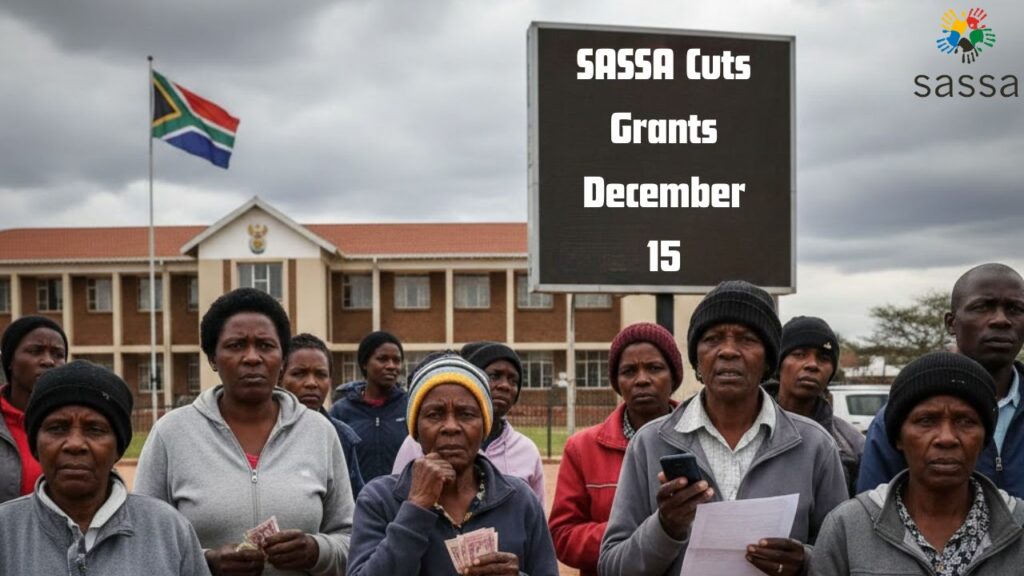
The South African Social Security Agency (SASSA) has announced a significant deadline that will affect numerous families across South Africa. The agency will discontinue grant payments to families with monthly earnings exceeding R8070 by December 15. This measure forms part of a broader initiative to enhance the social assistance system and ensure that support reaches those who genuinely require it. The adjustment holds considerable significance for many households that rely on this financial aid amid challenging economic conditions in the country. SASSA is implementing these changes to align social welfare programs with present economic realities and guarantee that assistance is directed toward the most vulnerable citizens. Families whose income surpasses the threshold should begin exploring alternative financial management strategies before the deadline approaches.
Understanding SASSA’s New Income Threshold: Why Families Over R8,070 Will Lose Support
The South African Social Security Agency has made the decision to end payments for families with monthly earnings above R8070. This marks a significant shift in the agency’s approach to managing social welfare funds. The change is designed to improve resource allocation by channeling support toward families with the greatest financial need. SASSA aims to ensure that assistance reaches the most impoverished households instead of being distributed across families with relatively higher earnings. The agency views this strategy as a way to create a more sustainable social grant system in the long term. By concentrating on lower-income families the organization seeks to combat poverty more efficiently and ensure that vulnerable individuals receive necessary support.

The policy has multiple objectives beyond merely reducing the number of beneficiaries.
– It seeks to align welfare programs with the current economic climate while ensuring grants remain accessible for future generations.
 New December Disbursement Plan — SASSA Lists Final Dates for R370, R2,090 and R2,150 Grants
SASSA also aims for families earning above the threshold to achieve greater financial independence without depending on government aid.
– This approach focuses on assisting those experiencing the most severe economic challenges.
– The agency believes that by restricting grants to families below the income threshold, it can establish a fairer system that meets the needs of the most vulnerable South Africans.
The adjustment reflects an effort to utilize public funds more effectively while continuing support for those who truly need it.
Financial Ripple Effect: How the December 15 Cutoff Impacts South African Households
SASSA Payment Changes and Their Effects on South African Households The decision to stop payments will affect many South African families who currently receive social grants. People who earn slightly more than R8070 may face financial uncertainty because of this change. Families who are affected need to look for other ways to manage their money. When the payments stop households will need to review their budgets and decide what their financial priorities should be. This change might also help reduce how much wealthier families depend on government support. It could push them to become more self-reliant and financially independent. SASSA’s new policy is a signal for families to rethink how they handle their finances as economic conditions change.
| Income Bracket | Expected Impact | Required Step | Likely Result |
|---|---|---|---|
| Below R8,070 | Uninterrupted SASSA benefits | No action needed currently | Regular grant payments continue |
| R8,070 – R10,000 | Possible pause in grant | Review income & expenses | Reduced dependency on support |
| Above R10,000 | Grant eligibility removed | Explore new financial options | Shift toward self-managed income |
Preparing Ahead: Essential Steps Before SASSA Stops Your Grant
Families affected by SASSA payment changes should prepare themselves before the December 15 deadline. These households need to review their financial situation and consider alternative income sources. Being prepared involves understanding what the policy change actually means and how it will impact them. Families must assess their current finances & identify areas where they can reduce expenses. They should also explore opportunities to generate additional income. Consulting with a financial advisor might be beneficial during this transition. This situation offers families an opportunity to improve their money management skills and utilize their resources to maintain financial stability after SASSA payments end.
– Begin by reviewing your current financial plans.
– Consider various ways to increase your income.
– Examine your expenses and identify areas to save.
– Seek guidance from financial experts or advisors.
– Explore opportunities to earn additional money.
Post-Deadline Strategy: What Families Need to Do After Losing SASSA Payments
Families facing SASSA payment suspension should take practical steps to adapt to the new policy. Begin by understanding what the policy involves & how it impacts your household finances. Reach out to SASSA directly to receive accurate information and guidance about your specific circumstances. Focus on building financial knowledge by learning essential skills such as budgeting and saving money. Research community programs and support networks in your area that can provide assistance during this transition period.
Taking these steps can help families lessen the impact of the policy changes and develop stronger long-term financial habits.
– Understand how the new policy affects your household
– Contact SASSA for clear and accurate guidance
– Prioritise learning essential budgeting and saving skills
– Explore local support programmes available in your area
– Build consistent habits for better financial management
Community Support Options: Free Programs to Help Families Affected by the Grant Cut
Community support programs provide valuable assistance to families experiencing interruptions in their SASSA payments. These programs offer additional resources & connections that help families manage financial difficulties more effectively. Local community centers & non-profit organizations typically operate programs that provide financial education and job training alongside other beneficial services. By participating in these programs families can develop practical skills and access resources to improve their financial circumstances. Affected families should seek out these community resources & incorporate them into their overall strategy for managing the situation.
– Financial literacy programs help individuals understand budgeting, saving, and overall money management.
– Job training and employment services support people in finding stable work and developing valuable new skills.
– Access to financial advisors provides families with expert guidance on managing income, expenses, and long-term goals.
– Community support groups offer a space for families to share experiences, learn from others, and receive emotional and practical support.
Exploring Alternatives: Top 5 Ways to Supplement Income Without SASSA
Finding Other Ways to Earn Money During SASSA Payment Delays When SASSA payments get delayed families need to find alternative income sources. South Africa offers various opportunities for people seeking extra money. Starting a small business is one option while freelance work and part-time employment provide other possibilities. The internet has opened up new ways to offer services online or work from home. Families should consider their skills and interests when exploring income opportunities. This helps them identify suitable ways to generate money. Having multiple income streams reduces dependence on social grants. This strategy helps families create better financial stability for the future.
– Identify your skills and understand what you genuinely enjoy doing.
– Explore small business opportunities that align with your strengths.
– Look for freelance gigs or part-time job options available in your locality.
– Use online platforms to search for remote work or services you can offer digitally.
– Build a strategy that allows you to earn income from multiple reliable sources.
Smart Budgeting Strategies to Stay Stable Without Grant Assistance
Building a Strong Financial Plan After SASSA Support Creating a good financial plan is important for families who are moving away from SASSA support. Financial planning involves setting clear money goals and creating a budget that puts savings at the top of the list. Families should focus on their long-term financial security by building an emergency fund & getting ready for future expenses. When you start planning your finances you need to understand where your money comes from & where it goes.
– Budgeting apps and financial workshops can greatly simplify the process of achieving your financial goals.
– When families maintain consistent money habits, they move closer to long-term independence and stable financial well-being.
– Start by clearly identifying the financial goals you want to accomplish.
– Create a detailed budget, prioritise savings, and set aside funds for emergencies.
– Make use of budgeting tools and learning resources, and stay committed to healthy money habits.
Economic Implications: How the New SASSA Rules Affect South Africa’s Economy
The economic impact of SASSA’s payment policy is significant for both individual households and South Africa’s broader economy. The policy aims to reduce poverty and stimulate economic growth by directing resources to those who need them most. However when payments are suddenly discontinued for families whose income has increased they often experience financial hardship and reduce their spending on essential goods and services. The long-term success of this policy depends on how effectively affected families can adapt to these changes and whether they can secure alternative sources of income. Understanding these economic consequences is essential for both policymakers and families to navigate this transition effectively.
| Economic Factor | Key Influence | Expected Results |
|---|---|---|
| Poverty Reduction | Targeted distribution of benefits | Enhanced protection for low-income households |
| Consumer Spending | Shifts in everyday expenditure | Potential slowdown in retail and service sectors |
| Employment Market | Growing demand for job opportunities | Creation of new roles and sector advancement |
| Household Financial Stability | Strengthened income support for vulnerable families | Improved economic resilience across communities |
| Long-Term Economic Growth | Dependent on effective policy execution | Sustainable national development and stability |
Expert Advice: Key Tips for Navigating the December 15 SASSA Payment Ban
Navigating SASSA Payment Changes: A Practical Guide for Families Families facing SASSA payment changes need to take practical steps to manage this transition effectively. The first step is understanding what the policy means and how it impacts your household budget. You can gather useful information by speaking with SASSA representatives or consulting financial advisors familiar with the system. The second step is exploring additional income sources. Depending solely on social grants becomes risky when policies shift. Consider different financial options that suit your circumstances. This could include small business ventures or part-time jobs that match your schedule & skills. Community support programs provide another helpful resource during this period. These programs often deliver practical assistance & link families with services they may not be aware of. Participating in local community projects can create access to new opportunities and support systems. Following these steps helps families address the financial difficulties that accompany policy changes. The objective is building a more stable financial base that does not rely completely on social grants. This method requires time and dedication but results in better long-term stability for your household. Key Actions to Take Understanding the policy and how it affects your payments is the starting point.
– Contact SASSA offices or speak with a financial advisor to get accurate guidance for your personal situation.
– Exploring extra income opportunities can help your household strengthen its financial stability.
– Think about the skills or resources you already have that could help you earn additional income.
– Getting involved in community programmes allows you to connect with others facing similar challenges and gain access to shared support and knowledge.